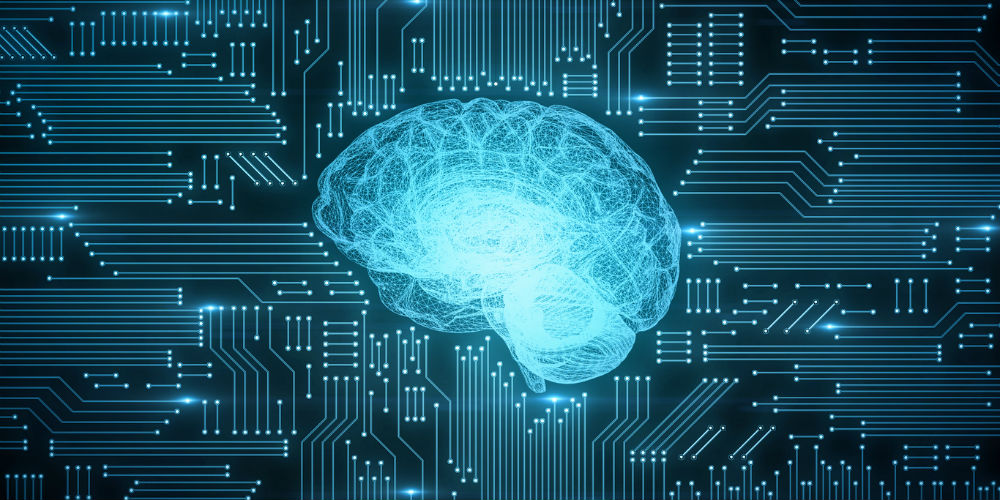
Though Artificial Intelligence is a promising technology with the potential to improve our day to day lives, it also has stirred a lot of controversy and concerns regarding privacy, safety, and job security. CNET reported on AI’s relationship with Bill Gates, Microsoft co-founder and current philanthropist, recently spoke at a Stanford Institute for Human-Centered Artificial Intelligence conference regarding AI about both the potential and danger of developing AI.
“The world hasn’t had that many technologies that are both promising and dangerous,” Gates said, citing nuclear energy and nuclear weapons as other developments with the same level of impact. He also said that he has yet to see many ways in which AI has helped society thus far.
Gates has long been wary when it comes to stepping hastily into an age of AI, and claims the best way to use the new technology for good is to funnel it primarily into medicine and education. “It’s a chance to supercharge the social sciences, with the biggest being education itself,” he said.
For example, AI has sifted through 23andMe genetic data to link a shortage of the element selenium with premature births in Africa. This inspired a program that is likely to help 20,000 women give safer and healthier births within eighteen months.
“We expect to see about 15 percent reduction in prematurity, which for Africa as a whole would project out to be about 80,000 lives saved per year,” Gates said.
AI’s influence on the educational field has been much smaller than it has been in health care, but Gates says schools are an excellent opportunity to use AI for good. “We have not even begun to do that work of understanding motivation and engagement and teaching styles that would really improve the output of the system — better learning, less dropouts.”
AI is currently being used primarily by tech giants to revolutionize the tech industry, but hopefully, we will see it put to use in a way that will benefit the greater good.
If you enjoyed this article and want to receive more valuable industry content like this, click here to sign up for our digital newsletters!